
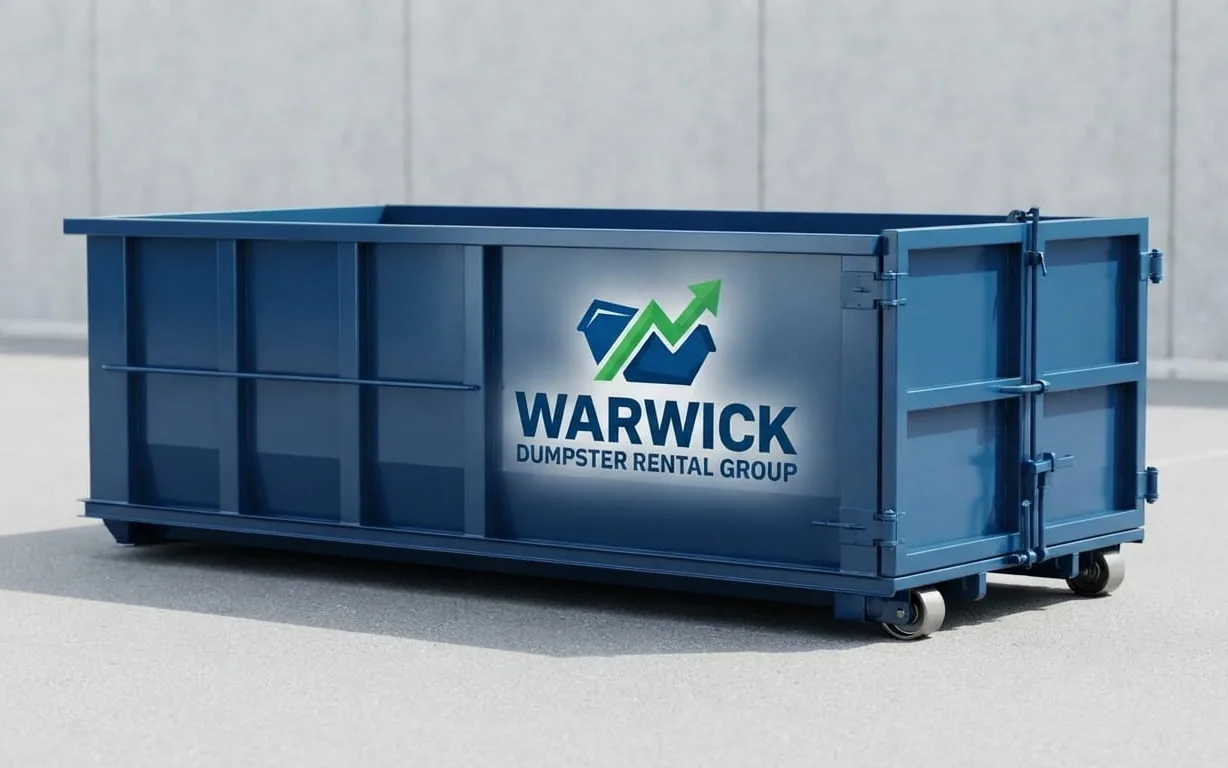
10 Yard Dumpster
The 10 yard is the heavy-material specialist. It is small on purpose: concrete, brick and the heavy demo and broken slab that come out…
Learn moreFour roll-off sizes from 10 to 30 yards, with dimensions, weight allowances and the space each one needs.
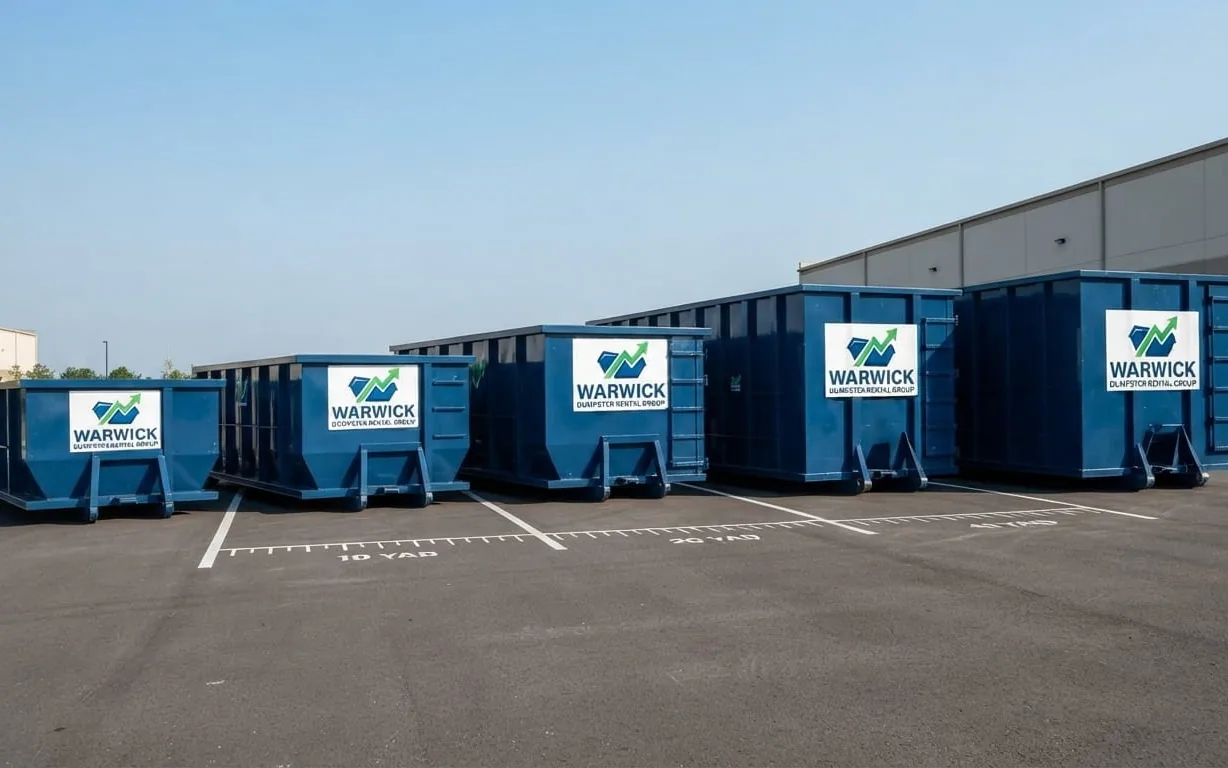
| Size | Dimensions | Weight included | Roughly | Space needed |
|---|---|---|---|---|
| 10 Yard Dumpster | About 12 ft long x 8 ft wide x 3.5 ft high | Included tonnage suited to heavy material; overage per ton quoted up front | About 3-4 pickup truck loads | Needs roughly 45 ft of straight approach and firm, level ground |
| 15 Yard Dumpster | About 14 ft long x 8 ft wide x 4 ft high | Included tonnage covers most mixed remodel debris; overage per ton quoted up front | About 5-6 pickup truck loads | Needs roughly 50 ft of straight approach and firm, level ground |
| 20 Yard Dumpster | About 16 ft long x 8 ft wide x 4.5 ft high | Generous included tonnage; overage per ton quoted up front | About 7-8 pickup truck loads | Needs roughly 60 ft of straight approach and firm, level ground |
| 30 Yard Dumpster | About 20 ft long x 8 ft wide x 6 ft high | High included tonnage for bulky loads; overage per ton quoted up front | About 9-12 pickup truck loads | Needs roughly 70 ft of straight approach and firm, level ground |
The 10 yard is the heavy-material specialist. It is small on purpose: concrete, brick and the heavy demo and broken slab that come out…
Learn more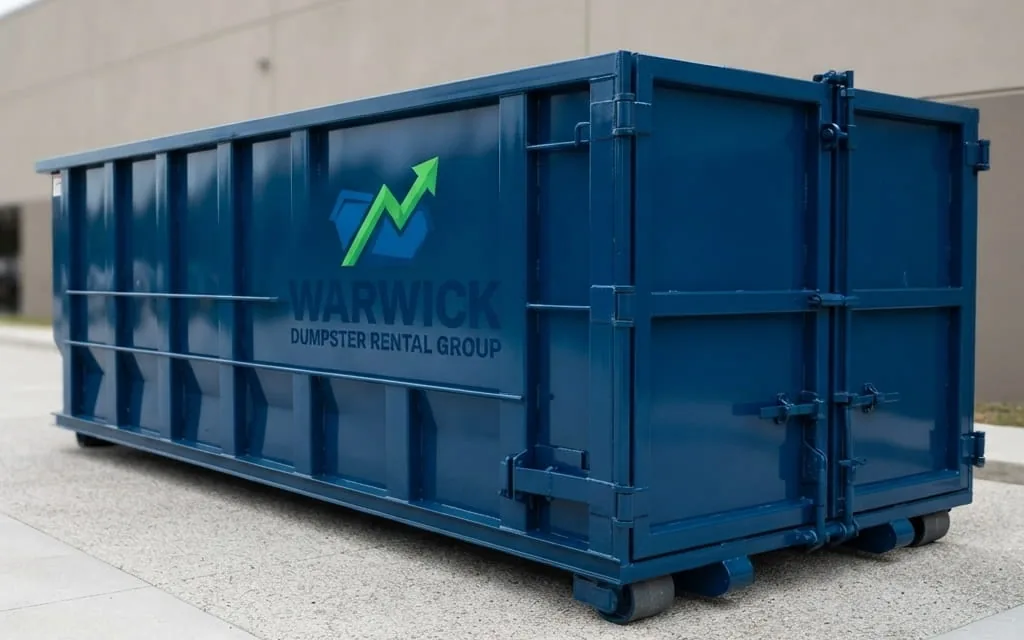
The 15 yard is the container we recommend more often than any other, and the one people least expect. It fills the gap between the…
Learn more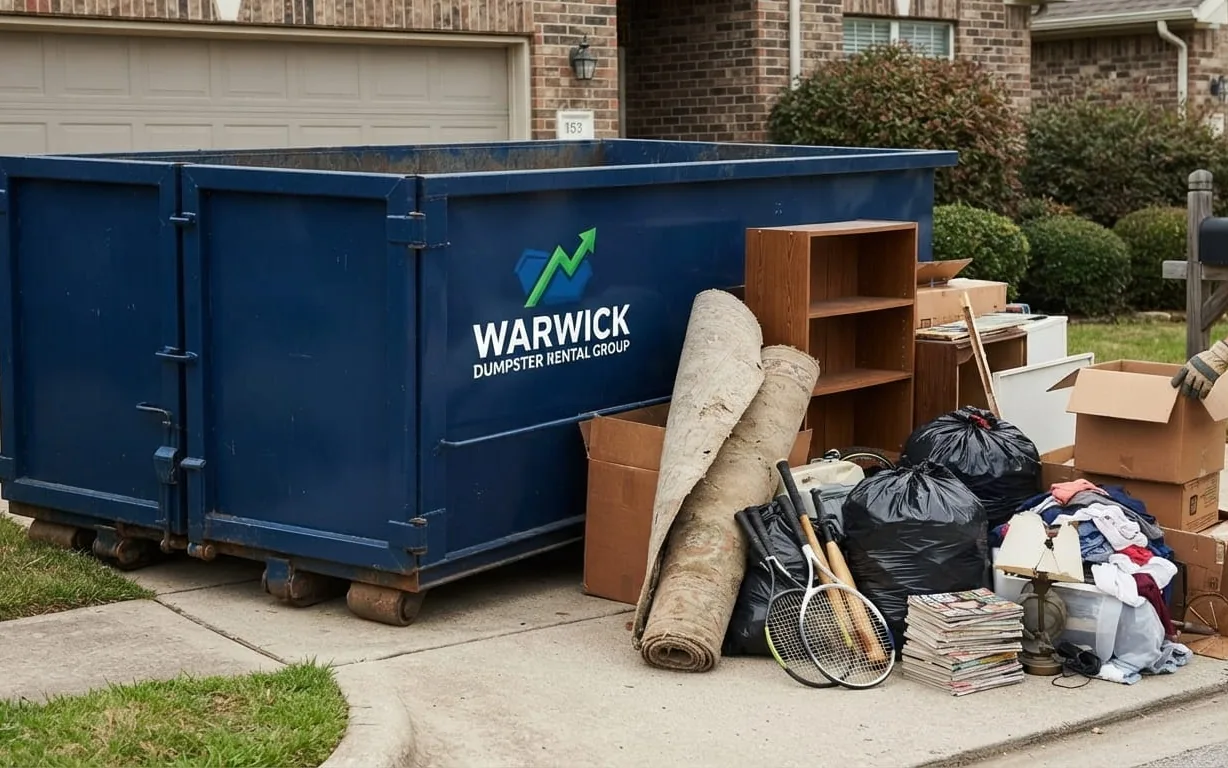
The 20 yard is our most popular all-rounder - big enough for a whole-house project, a roof tear-off or a substantial cleanout, without…
Learn more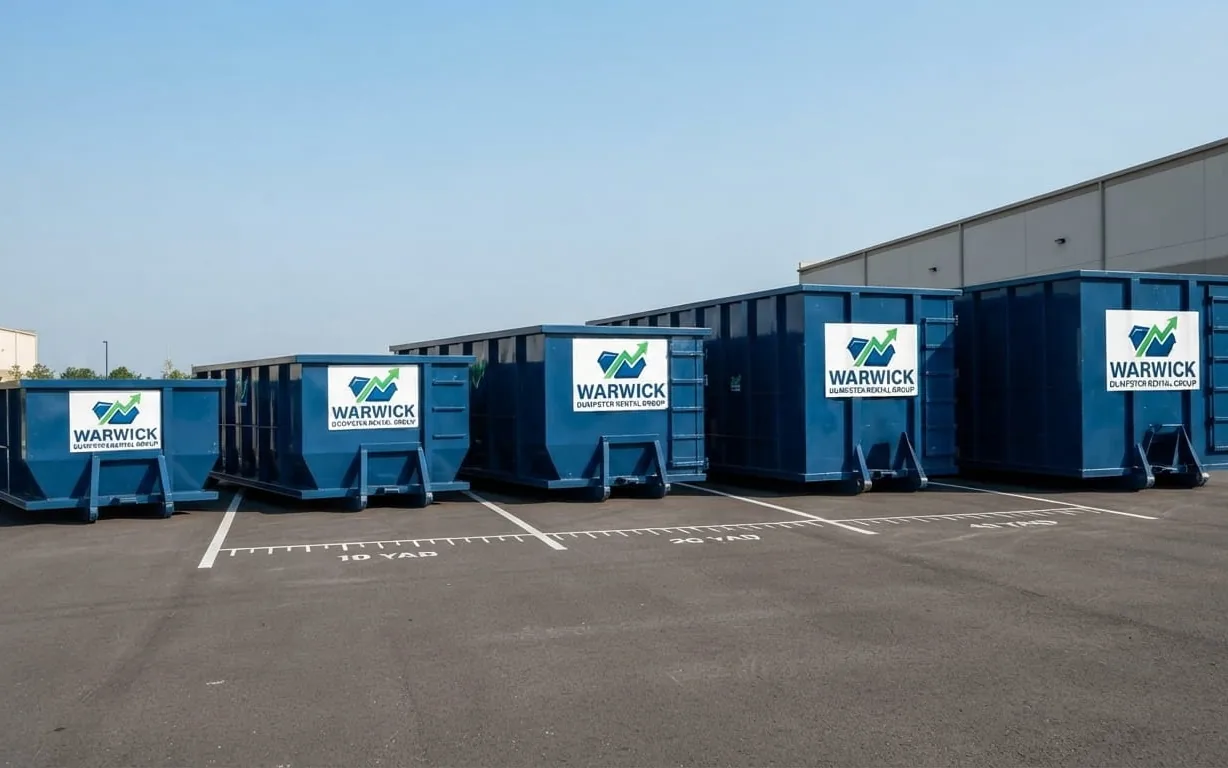
The 30 yard is the big-project container - new construction, major renovations, full property cleanouts and commercial work. When the…
Learn moreEvery container has two limits: the space inside it and a tonnage allowance set by what the truck can legally carry. You reach whichever comes first, and on a great many jobs around here the weight limit arrives long before the container looks full.
That's why the answer to "what size do I need" starts with what the material is rather than how much of it there is. Plaster, tile, concrete and broken-slab demo are dense. Furniture, framing, packaging and new-build offcuts are bulky and light. The same volume of each needs a completely different container.
Rule of thumb. If the debris is heavy, go one size down from what the volume suggests and fill it properly. If it's bulky and light, order by volume and fill to the rim. If it's concrete, block or heavy demo, it goes in a 10 yard regardless of quantity — kept clean so the concrete can be recycled or reused as fill.
The access caveat. On a tight older ranch lot, or a soft, low-lying yard prone to flooding, the access can decide the size, not the debris. A big container needs a long straight approach and clear overhead; where that isn't there, a smaller box - or a swapped pair - is the answer. Send a photo from the street and we'll confirm the fit.
Describe the job on the phone and we'll size it, including when that means a smaller container.
(401) 593-9203